Regional Algorithmic Targeting in Gambling Reward Systems Across Digital Platforms
Greta Albrecht · Aug 26, 2026
Regional Algorithmic Targeting in Gambling Reward Systems Across Digital Platforms
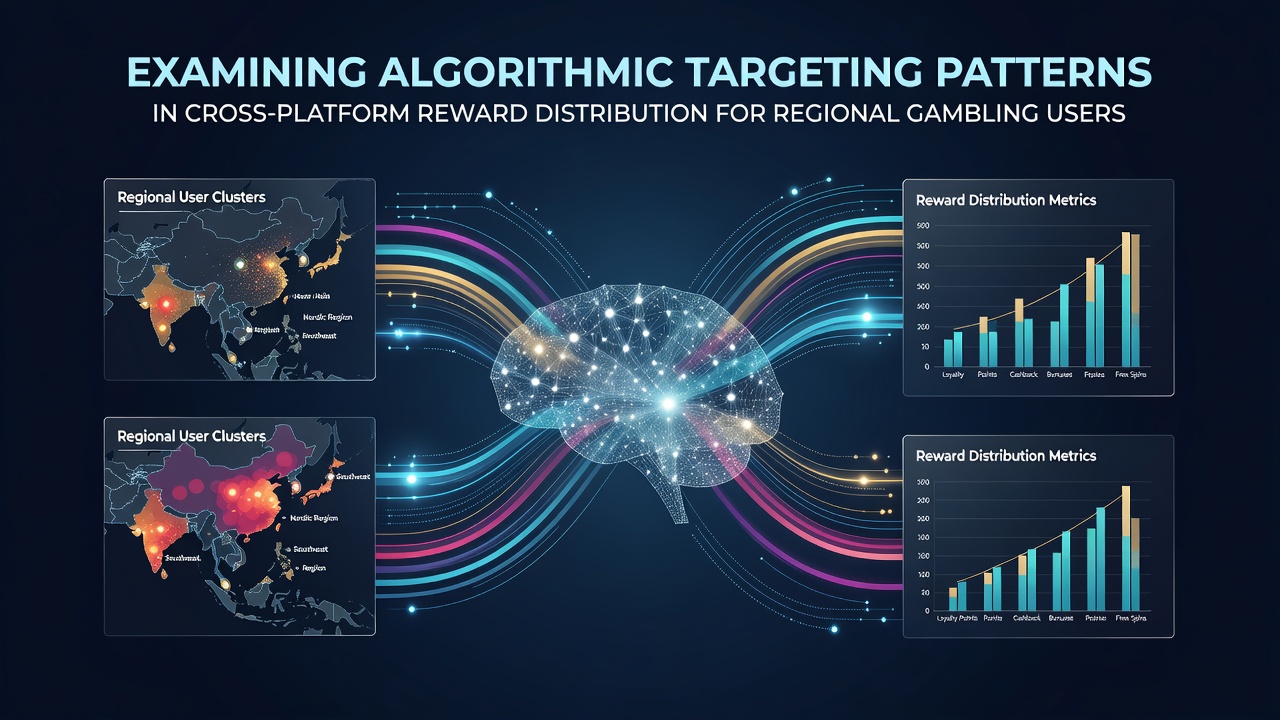
Algorithms now drive reward allocation in gambling platforms by analyzing user location data alongside behavioral signals, and this approach has produced distinct patterns in how incentives reach players in different regions. Operators segment audiences based on regulatory environments, spending velocity, and platform preferences, which means a user in one state might receive reload bonuses tied to live casino activity while someone in another jurisdiction sees offers focused on sports betting props. Data from multiple operators indicates these systems update in real time, pulling from geolocation, device type, and historical engagement to determine which rewards appear in a given session.
Core Mechanisms Behind Regional Segmentation
Platforms collect location signals at login and cross-reference them with regulatory requirements, so algorithms adjust offer types to stay compliant while maximizing engagement. In markets where sports betting dominates, the models prioritize parlay boosts and live odds incentives, whereas regions with stronger casino traffic see more free spin sequences and deposit match structures. Researchers at the International Center for Gaming Regulation have tracked how these adjustments occur in batches, often aligned with weekly performance reviews that feed fresh parameters back into the targeting engine.
Cross-platform continuity plays a central role because unified apps allow the same user profile to move between sports and casino sections, and algorithms track category shifts to time the next reward. When a player completes a sports wager, the system may surface a casino reload within minutes if regional data shows higher conversion rates for that sequence. This sequencing relies on historical transition rates segmented by zip code or province, creating predictable loops that operators refine through A/B testing cycles.
Data Patterns Observed Through Mid-2026
Figures compiled through August 2026 reveal that users in densely populated urban corridors receive higher-frequency micro-rewards compared with rural cohorts, largely because the models weigh population density against redemption costs. Mobile sessions trigger more immediate targeting than desktop logins, and algorithms favor push notifications in regions where open rates exceed platform averages. One study released by the Australian Gambling Research Centre found that reward velocity increased 18 percent in states with integrated sports and casino ecosystems versus those maintaining separate verticals.

Regional differences also appear in timing, with some markets showing elevated reward delivery during evening hours while others receive midday reloads calibrated to local sports schedules. The models incorporate weather data and event calendars in certain territories, adjusting bonus sizes when major games coincide with inclement conditions that keep more users indoors. Observers note that these layers compound over time, producing cumulative effects on session length that vary sharply between neighboring jurisdictions.
Cross-Platform Transitions and Reward Sequencing
Algorithms monitor movement between verticals within the same app and adjust the next reward category accordingly, which means a user who shifts from sports betting to slots may encounter a tailored casino incentive rather than another sports offer. Regional calibration matters here because conversion data differs by market, so the same transition pattern can trigger different reward values depending on the user's primary location. Platforms test these sequences continuously, and the results feed back into scoring systems that rank users for future targeting priority.
Evidence from operator reports shows that users who receive rewards aligned with their recent category shift maintain higher retention across both verticals, while mismatched offers correlate with quicker drop-off. This alignment process relies on machine learning layers that weigh recent activity against longer-term regional benchmarks, allowing the system to predict which reward type will sustain engagement longest in a given area.
Conclusion
Algorithmic targeting in cross-platform gambling rewards has settled into established regional patterns by August 2026, driven by location-aware data models that balance regulatory constraints with engagement metrics. These systems continue to evolve through ongoing testing, producing differentiated reward flows that reflect local user behaviors and platform preferences across markets.